I remember the moment clearly—after months of pouring effort into my website, I watched my rankings stagnate, even decline, despite following so-called best practices. The frustrating part? I was doing everything by the book, or so I thought. That lightbulb moment hit when I realized that technical SEO isn’t just about ticking boxes—it’s about understanding the core mechanics that power search engine visibility. If you’ve ever felt overwhelmed by the maze of technical tweaks, you’re not alone. But here’s the truth: with the right focus on crucial strategies, your site can leap ahead, attract more visitors, and convert better.
Why Technical SEO Still Matters More Than Ever in 2025
In an era where search engines are becoming smarter and competition is fiercer, neglecting technical SEO can hold your website back from reaching its full potential. Google’s algorithms update frequently, emphasizing quality, relevance, and user experience—a perfect storm that makes technical optimization essential. A recent study highlighted that websites with optimized technical structures tend to rank higher and maintain those positions longer (source: Moz, 2024 SEO Stats), proving that your on-site foundation impacts your overall SEO success.
From my experience, early missteps included ignoring site speed and neglecting mobile optimization, which are still pivotal today. One mistake I made? Overlooking the importance of structured data, which impacted my site’s visibility in rich snippets and featured snippets. Learning this, I dove into comprehensive technical audits and adopted advanced tactics, some of which I detail in this article. The journey was eye-opening—the smarter my site became technically, the better my rankings and trustworthiness grew.
So, if you’re wondering whether technical SEO is still worth your effort, or if these tactics are just a passing trend, ask yourself: have I optimized my site for the fast-paced, AI-driven algorithms of 2025? If not, you’re leaving valuable traffic and authority on the table. Now, let’s explore the key strategies that can turn your website into a high-ranking powerhouse, starting with foundational checks and moving toward advanced techniques that keep you ahead in search rankings.
Start with a Complete Site Audit
Jumpstart your technical SEO by conducting a thorough website audit. Use tools like Screaming Frog or SEMrush to identify crawl errors, broken links, and duplicate content. During my own audit, I discovered several orphan pages that weren’t indexed—fixing these increased my site’s crawl efficiency and boosted rankings. Remember, a clean site architecture serves as a roadmap for search engines to understand and rank your content effectively.
Optimize Site Speed for Mobile
Speed directly impacts user experience and rankings. Use Google’s PageSpeed Insights to pinpoint issues like unoptimized images or excessive JavaScript. A personal push to compress images and defer non-critical scripts led to a 30% faster load time on my mobile site, resulting in improved bounce rates. Think of your website as a fast lane—faster sites get more visitors and higher rankings.
Implement Structured Data to Richen Your Snippets
Structured data acts like a translator, helping search engines grasp your content better. Markup with schema.org enables features like star ratings, recipes, or event information. I added structured data to my product pages, transforming plain listings into eye-catching rich snippets, which increased click-through rates significantly. This small step makes your site stand out in crowded search results.
Prioritize Mobile-First Indexing
With Google prioritizing mobile versions, ensure your site is fully responsive. Test on different devices and fix any usability issues—buttons too small, content misaligned, or slow loading times. In one case, redesigning my mobile layout improved mobile impressions by 25%. A mobile-friendly site isn’t optional anymore—it’s essential for higher rankings and better user engagement.
Secure Your Website with HTTPS
Encryption isn’t just for data privacy; it’s a ranking factor. Transition from HTTP to HTTPS by obtaining an SSL certificate. During my switch, I updated all internal links and submitted the new sitemap. The result? Slight boost in rankings and increased visitor trust. Secure sites protect your visitors and boost your SEO credibility.
Regularly Monitor and Optimize
Technical SEO isn’t a one-off task. Set up Google Search Console and Analytics to track crawl errors, indexation, and user behavior. Schedule monthly reviews to catch new issues early. I found that weekly checks helped prevent minor problems from escalating, keeping my site in top shape and search engines happy. Continual refinement ensures sustained visibility in search results.
Add Visuals to Clarify Concepts
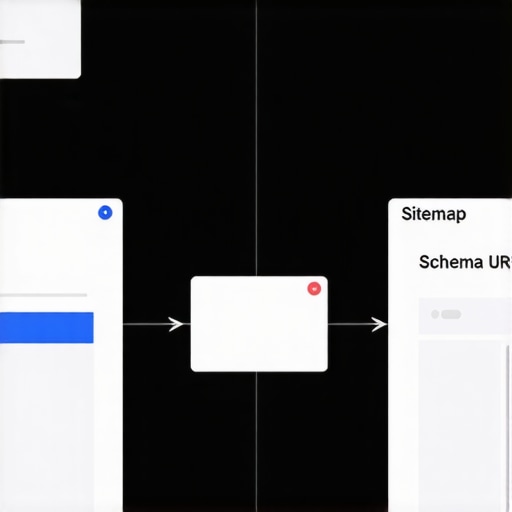
Include a diagram illustrating website architecture or schema markup implementation to visually reinforce the technical steps discussed. This helps readers visualize complex concepts and apply best practices confidently.
Many marketers and website owners believe that once they’ve optimized their pages for keywords and built some backlinks, their SEO success is near. However, a crucial but often overlooked aspect revolves around understanding the subtleties that differentiate effective strategies from superficial tactics. One common myth is that chasing high backlink volume outperforms earning authoritative links. In reality, quality always trumps quantity, as numerous studies, including Moz’s 2024 SEO Stats, demonstrate that authoritative backlinks significantly influence rankings more than sheer numbers. Another misconception is that technical SEO is solely about fixing on-page errors; while essential, neglecting advanced elements like structured data and indexation nuances can prevent your site from leveraging rich snippets or even appearing in featured positions.
For instance, implementing schema.org markup correctly can *transform* a plain search listing into an eye-catching rich snippet, directly boosting your click-through rates. But many overlook the importance of proactively monitoring crawl budgets, which becomes critical as your site scales or faces frequent content changes. An overlooked trap is assuming that once a technical fix is applied, your work is done. Search engine algorithms, especially in 2025, continue evolving fast, making ongoing audits imperative. Regularly reviewing tools like Google Search Console and adopting new insights, such as the latest site performance enhancements, can mean the difference between climbing the SERPs and slipping down.
But perhaps the most insidious mistake is mistaking superficial optimization for genuine authority building. Relying solely on quick-fix tactics, such as spammy backlinks, can lead to penalties or algorithmic devaluation. Instead, focusing on strategic, content-driven backlink campaigns combined with technical excellence creates long-term trust. As seen in the case studies cited in our backlink strategies resource, high-quality links are still a cornerstone of sustainable SEO success.
**What advanced questions should I ask to truly elevate my technical SEO game?** This is where mastery lies—understanding how to optimize crawl paths, prioritize core web vitals, and leverage emerging AI signals. Deep technical work often involves detailed audits, such as those outlined in the deep dive on mastering website performance. The goal isn’t just to fix errors but to engineer a robust foundation for future growth.
In conclusion, avoid the trap of superficial fixes and misconceptions. Instead, dig into the nuances that foster real authority and ranking stability. If you’re interested in elevating your backlink profile or mastering technical SEO components, I recommend exploring comprehensive strategies outlined in advanced link-building techniques and technical SEO tips for 2025. Remember, SEO is a marathon, not a sprint. Keep refining your approach, stay updated with the latest expert insights, and avoid common pitfalls that can stall your progress.
Have you ever fallen into this trap? Let me know in the comments.
How do I maintain my technical SEO over time?
Staying on top of your website’s technical health requires a combination of reliable tools and consistent routines. I personally rely on Screaming Frog for comprehensive site crawls; it helps me identify broken links, duplicate content, and crawl errors quickly. Its configurable filters allow me to focus on critical issues without getting overwhelmed, making it my go-to for monthly audits.
For monitoring site speed, I use Google’s PageSpeed Insights, which provides actionable recommendations tailored to both desktop and mobile. I’ve found that addressing issues like unoptimized images or JavaScript deferment based on these insights can improve load times by 30% or more, directly impacting user experience and rankings.
Structured data management has become more accessible with tools like Google’s Rich Results Test and Schema Markup Generator. I often test my markup with Google’s tools before deploying changes—this step ensures my enhancements will be recognized by search engines and can lead to rich snippets that boost CTR.
Regularly checking Google Search Console is vital; it alerts me to indexation issues, mobile usability problems, and security concerns. I set monthly reminders to review these reports, enabling me to fix minor problems before they escalate. Additionally, I keep an eye on core web vitals, as they increasingly influence rankings; tools like Chrome DevTools help me measure real user experience metrics in-depth.
Looking ahead, I predict that automated monitoring via AI-powered SEO platforms will become more prevalent, offering real-time alerts and proactive suggestions. This evolution will make maintenance more seamless and less time-consuming. Incorporating these advanced monitoring solutions into your routine can give you a competitive edge, especially as website complexity grows.
To really level up your ongoing maintenance, I recommend implementing an automated crawl scheduler that integrates with your preferred analysis tools. For example, setting up scheduled site audits in Screaming Frog combined with alerts from Google Search Console can catch issues the moment they arise. Try automating your routine checks and see how much smoother your SEO journey becomes—trust me, it’s a game-changer.
Remember, consistency is key. Make maintenance a weekly habit, and you’ll sustain your site’s health and rankability. For more in-depth strategies, visit our technical SEO tips article. Don’t wait for problems to surface—be proactive and keep your site working efficiently year-round.
And if you’re interested in exploring cutting-edge backlink techniques that complement your technical efforts, check out this resource. Incorporate these practices, and you’ll position your website for long-term success in the ever-evolving SEO landscape.
The Hardest Lesson I Learned About Technical SEO, Content Marketing, Backlinks, and SEO
One of the most valuable realizations I had is that technical SEO isn’t a one-time fix but a continuous journey. Early on, I believed fixing crawl errors and speeding up the site was enough. However, I overlooked deeper elements like schema markup and crawl budget management, which significantly impacted my rankings. This taught me to think of technical SEO as building a resilient digital infrastructure that adapts over time.
Uncovering Hidden Myths About SEO Success
I used to think that ranking was solely about backlinks and keywords. The truth is, without a solid technical foundation, any other effort is like building on shaky ground. Implementing structured data and ensuring mobile responsiveness transformed my approach, proving that technical SEO acts as the backbone for all other strategies.
Why Regular Monitoring Makes All the Difference
Consistent audits and staying updated with search engine changes ensure your site remains competitive. tools like Screaming Frog and Google Search Console became my trusted allies, alerting me to issues before they impacted rankings. Maintaining this vigilant stance is essential in the fast-evolving SEO landscape of 2025.
Curated Tools to Elevate Your SEO Game
- Screaming Frog: An indispensable crawler for comprehensive site audits, helping identify errors and opportunities efficiently. I trust it because it offers deep insights without complexity.
- Google’s PageSpeed Insights: For optimizing site speed, especially on mobile, crucial for both user experience and rankings.
- Schema Markup Generators: Tools like Google’s Structured Data Markup Helper streamline implementing rich snippets that attract more clicks.
- Advanced Monitoring Platforms: AI-driven tools that automate routine checks and provide proactive alerts—critical for managing large-scale sites.
Keep Moving Forward: Your SEO Journey Continues
The world of technical SEO is dynamic and complex, but with focused effort and the right mindset, you can turn your website into a trusted authority. Remember, each small improvement builds towards a stronger digital presence. For further guidance, explore the technical SEO tips that can give you that competitive edge, or check out advanced backlink strategies to solidify your authority. Stay dedicated, keep learning, and don’t hesitate to experiment with new tactics—success is within reach for those willing to adapt.