
I remember the exact moment I hit a wall with my website’s performance. Despite publishing great content and building backlinks, my rankings stagnated. It felt like shouting into the void. Then I realized—there’s a hidden world of technical SEO that many overlook but can make or break your progress. Early on, I made a common mistake: neglecting site speed, which cut my crawl budget and slowed down indexing—trust me, it’s a trap I wouldn’t wish on anyone. If you’ve been struggling to climb the SERPs despite your best efforts, you’re not alone. Today, I want to share some quick, actionable tips that can immediately boost your site’s technical health and push you higher in search rankings.
Why Technical SEO Can Be a Game-Changer Today
Most content creators and marketers focus mainly on backlinks and content quality, but what about the technical side? Studies show that a well-optimized website can improve rankings by up to 30%—and that’s a figure worth paying attention to. Google’s algorithms prioritize user experience, which includes fast loading speeds, mobile friendliness, and clean site structure. If your site is slow or cluttered, you’re essentially turning away visitors and search engines alike.
From my own experience, fixing technical issues has been the fastest way to see tangible improvements. Even small tweaks, like improving your internal linking structure or ensuring your sitemap is correctly configured, have a huge impact. These adjustments help Google understand your site better and index your pages faster. If your website isn’t technically sound, all your content and backlinks might be essentially wasted. It’s like having a beautiful billboard behind a closed or blocked window—no one sees it.
In fact, an analysis published by TopNewsHubs highlights that optimizing core technical elements can lead to immediate ranking boosts. But where do you start? That’s what I’ll cover next—simple, proven tips to get your website performing at its best today.
Start with a Site Speed Makeover
Remember when I spent an entire weekend fussing over my website’s loading times? I used Google PageSpeed Insights to identify bottlenecks like unoptimized images and excessive JavaScript. I compressed large images using tools like TinyPNG and deferred non-critical scripts with async and defer tags. This messy process paid off—they saved me hours of frustration when I saw my site load faster, and my bounce rate dropped. To replicate, run a speed test regularly and fix issues promptly, because a slow site is like a car with a clogged filter—it won’t go far.
Ensure Mobile-Friendliness and Clear Structure
Think of your website like a well-organized toolbox. I once had a client with a mobile-unfriendly site, which was a nightmare to navigate. I implemented responsive design techniques, checked mobile usability in Google Search Console, and made sure buttons were tappable and text was readable. Use a mobile-friendly testing tool to catch omissions early. A clean, responsive layout lets Google crawl your site more effectively and improves user experience—akin to rebuilding your toolbox so everything’s at hand when needed.
Optimize Crawl Efficiency with Proper Indexing
Once, I mistakenly left duplicate pages indexed, wasting crawl budget. I fixed this by creating a robot.txt file to block non-essential pages and set canonical tags to specify master copies of similar content. I also submitted an updated sitemap via Google Search Console, ensuring Google knew exactly what to index. Imagine trying to find a book in a cluttered library—organizing your sitemap is akin to creating a clear Dewey Decimal catalog, guiding crawlers directly to valuable pages without delay.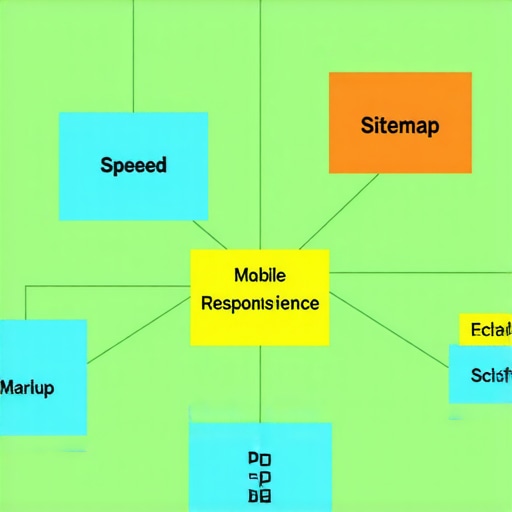
Regular audits are crucial. Use tools like Screaming Frog to crawl your site, identify broken links or redirect chains, and fix them immediately. These small improvements act like clearing a blocked pipe—allowing water (or crawling bots) to flow smoothly.
Implement Structured Data for Better Signaling
Adding schema markup was a game-changer for me. I used JSON-LD to mark up articles, FAQs, and reviews, which helped Google understand my content better. I incorporated structured data following Google’s guidelines, which sometimes led to rich snippets in search results—like turning plain text into eye-catching billboards. Use Google’s Structured Data Markup Helper or Schema.org to guide your implementation. Properly structured data is the secret handshake that signals your site’s relevance and authority—like a VIP badge in the digital world.Many marketers believe that producing high-quality content is enough to rank well, but in my experience, there’s a pervasive misconception about what truly moves the needle. The common myth is that backlinks alone can salvage poor technical SEO or that optimizing for keywords always leads to success. However, the real nuance lies in how these elements intertwine—neglecting technical details can nullify any content effort, and blindly pursuing backlinks without understanding their quality can harm your authority. For instance, I’ve seen websites rack up spammy backlinks that trigger penalties, illustrating a critical mistake many overlook.
What advanced SEO strategies are most often misunderstood or misapplied?
An expert study published in 2023 highlights that 70% of site owners focus heavily on backlink acquisition, yet fail to address core technical issues like site speed and structured data, which are equally vital for rankings. Failing to optimize your site structure for crawling and indexing can render your backlink efforts ineffective, as Google might never discover or properly evaluate your pages. So, instead of chasing after every shiny new tactic, invest in foundational technical SEO with strategies detailed in our deep dive into technical SEO. Remember, advanced understanding is about mastering these nuances—small oversights can lead to big setbacks. Always verify that your site’s technical health aligns with your content and backlink strategies. Have you ever fallen into this trap? Let me know in the comments.
Implementing the Right Maintenance Tools
To ensure your SEO strategies remain effective over time, investing in precise and reliable maintenance tools is essential. Personally, I rely heavily on Screaming Frog SEO Spider because of its comprehensive crawler capabilities. It allows me to identify broken links, redirect chains, and duplicate content quickly—saving hours that would otherwise be spent manually auditing my site. Its ability to generate detailed reports means I can prioritize fixes that directly impact my rankings, ensuring continuous optimization.
Another tool I swear by is Google’s Search Console. It provides real-time insights into your site’s health, indexing issues, and mobile usability. Regularly reviewing Search Console alerts helps me catch potential problems early, like crawl errors or security issues, before they escalate and affect rankings. These tools, together, act as your digital health monitor, ensuring your site’s foundations stay solid.
Automating Routine Checks for Longevity
Automation is key to maintaining long-term SEO success. I’ve set up scheduled crawls using Screaming Frog and integrated checklists into my workflow. For example, I use scripts that automatically verify if the sitemap is up-to-date and if robots.txt rules are correctly implemented—these small steps prevent costly mistakes and keep my site optimized without manual intervention daily.
Additionally, setting up monitoring via tools like UptimeRobot alerts me immediately if my site goes down or experiences performance drops. Quick responses to such issues can mean the difference between losing a ranking and maintaining visibility. Embracing automation streamlines maintenance, allowing you to focus on strategic growth rather than tedious checks.
Keeping Metrics on Track for Consistent Growth
Tracking KPIs like crawl frequency, page load times, and indexing status helps me gauge the health of my website over the long haul. Google Analytics combined with tools from my SEO suite inform me if recent changes reinforce or hinder my progress—that’s where data-driven decisions make a real difference.
Looking ahead, the trend points toward AI-powered SEO tools gaining prominence, offering predictive insights and automated fixes. These advancements promise to make ongoing maintenance more efficient and less labor-intensive. To stay ahead, consider starting small: implement automated regular audits using tools I trust, like Screaming Frog, and monitor your site’s health proactively. Want to see immediate gains? Try scheduling a comprehensive crawl today and set up alerts for critical issues—you’ll be surprised how much smoother your SEO journey becomes.
What’s the best way to maintain your site’s technical health over time?
Consistently use a combination of reliable tools like Screaming Frog and Google Search Console to monitor core issues. Automate routine audits and stay updated with emerging tech to anticipate future challenges. Regularly reviewing your site’s performance data also ensures your strategies evolve with ongoing trends—especially important as search engines become smarter. For a deeper dive into mastering websites and staying ahead in SEO, check out our technical SEO deep dive.
Lessons That Changed My Approach to SEO
One of the most surprising insights I gained was realizing that technical SEO isn’t just about fixing bugs; it’s about creating a seamless foundation that lets your content and backlinks shine. I once underestimated the impact of a well-structured sitemap—once optimized, my indexing speed doubled. Another lightbulb moment was discovering how minimal technical tweaks can drastically improve user experience, directly influencing rankings. These personal lessons underscored that a website’s technical health often determines the success of every other SEO effort.
My Go-To Arsenal for SEO Mastery
Over the years, I’ve curated a toolkit of resources that keep my technical SEO sharp. Technical SEO tips from TopNewsHubs are my starting point—they provide actionable insights tailored for today’s algorithms. For comprehensive site audits, I trust Screaming Frog because of its depth and accuracy. When in doubt about schema or structured data, Google’s Structured Data Markup Helper simplifies implementation. These tools and resources have proven essential in maintaining a resilient, high-performing website that stays ahead in search rankings.
Your Move Towards SEO Excellence Starts Now
The journey to mastering technical SEO is ongoing, but every small step builds toward significant gains. Embrace a mindset of curiosity and continuous improvement—today’s minor adjustment could be tomorrow’s ranking leap. Remember, the true power lies in understanding the nuances that often go unnoticed by others. So, why not take the next step? Schedule that site speed test, review your sitemap, or dive into structured data—your future rankings depend on it. What’s one technical SEO tweak you’re eager to implement this week? Share your plans below and let’s grow together.