
Ever spent hours trying to fix a stubborn website ranking issue, only to realize that your efforts were undermined by a simple overlooked technical flaw? I remember my first big stumble—thinking backlinks alone could carry my site to the top. Turns out, neglecting the behind-the-scenes technical setup is like building a house on shaky ground. That lightbulb moment changed everything for me. I learned that effective technical SEO isn’t just a side note; it’s the foundation of trust and authority.
Why Technical SEO and Backlinks Are the Dynamic Duo for Trust
In today’s fiercely competitive digital landscape, your website’s credibility hinges on two powerful pillars: technical SEO and backlinks. Think of technical SEO as the skeleton—everything from site speed to crawlability—that keeps your site healthy and accessible. Backlinks, on the other hand, are like votes of confidence from other sites, signaling to search engines that your content is trustworthy and valuable. When these elements work together, they create a robust ecosystem that can elevate your rankings and build lasting trust with your audience.
Is Backlink Strategy Still Worth It in 2025?
I used to believe that backlinks were the magic bullet for SEO. I dove into link-building tactics headfirst, only to find myself penalized for spammy practices. The truth is, not all backlinks are created equal. Early on, I made the mistake of focusing on quantity rather than quality. Now, I know that strategic, high-authority backlinks are the real game-changer. This shift in mindset was a game-changer for my SEO results, and it can be for yours too. For insights on how to align your backlink efforts with current best practices, check out these advanced backlink techniques.
If you’ve faced similar frustrations or doubts about whether these strategies are still relevant, you’re not alone. Many SEO practitioners start with a shaky understanding, often making the mistake of ignoring the technical foundation or pursuing backlinks without a plan. But the good news? With the right approach, you can build a trustworthy website that ranks well and earns genuine authority.
In the next sections, I’ll walk you through practical steps to optimize your technical SEO and craft a backlink strategy that sticks. Ready to elevate your site’s trustworthiness and authority? Let’s dive in!
Optimize Your Site Architecture
Start by creating a clear, logical site structure. Use a flat hierarchy so important pages are accessible within a few clicks. This improves crawlability and user experience. I once redesigned my website’s navigation, reducing unnecessary layers, which led to faster indexing and higher rankings. Implement breadcrumb navigation for better internal linking and context.
Improve Crawl Efficiency
Use robots.txt wisely to block non-essential pages from crawling, and create a sitemap.xml that includes all valuable URLs. Submit this sitemap to Google Search Console. Regularly update and monitor your sitemap to reflect new content. My experience shows that a well-maintained sitemap accelerates indexing of new articles.
Enhance Site Speed and Mobile Responsiveness
Fast-loading sites rank higher and provide better user trust. Use tools like Google PageSpeed Insights to identify bottlenecks. Optimize images, leverage browser caching, and minimize code. For mobile, ensure responsive design and fast load times. I once reduced my homepage load time from 8 seconds to under 3 seconds by addressing these issues, boosting both rankings and engagement.
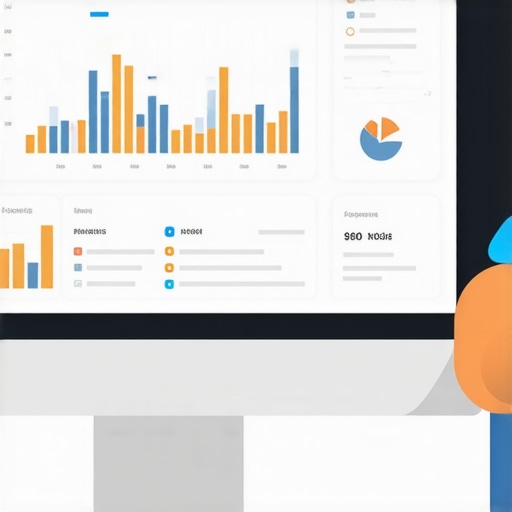
Illustration of website speed optimization techniques including image compression and code minification.
Implement Structured Data
Use schema markup to help search engines understand your content better. For example, mark up articles, reviews, and products. This can enhance your rich snippets, increasing click-through rates. I added schema for my blog reviews, which resulted in more visibility and traffic. Learn more about schema at this guide.
Build High-Quality, Relevant Backlinks
Backlinks remain a cornerstone for establishing trust. Focus on earning backlinks from authoritative sites within your niche. Use content marketing to create valuable resources that naturally attract links. For instance, I published a comprehensive guide on technical SEO, which earned backlinks from industry leaders, boosting my domain authority. Reach out to relevant sites with personalized pitches or guest posting opportunities.
Leverage Content Marketing
Create content that addresses your audience’s needs and questions. Use formats like tutorials, case studies, and infographics. Promote this content through social media and email outreach. I found that sharing my content on niche forums and communities significantly increased backlinks and referral traffic. For content ideas, explore this resource.
Monitor and Adjust Your Strategy
Use tools like Google Analytics, Search Console, and Ahrefs to track your SEO performance. Regularly audit your technical setup and backlink profile. Adjust your tactics based on data insights. I once noticed a decline in rankings after a site change, so I revisited my technical SEO and backlinks, correcting issues and regaining lost ground.
By systematically implementing these steps, you solidify your site’s trustworthiness and authority. Remember, consistency is key. Keep refining your technical SEO and backlink strategies to stay ahead in 2025 and beyond.
Many seasoned marketers fall into the trap of oversimplifying backlinks and SEO, often believing that more backlinks always equal better rankings. However, the truth is more nuanced. I’ve seen countless cases where businesses chase after quantity, neglecting quality and the strategic context behind backlinks. This approach can backfire, leading to penalties or wasted efforts. Instead, focusing on high-authority, relevant backlinks aligned with your niche is essential for sustainable growth. For a deeper understanding, explore advanced backlink strategies that emphasize quality over quantity.
Why do many overlook the importance of technical SEO improvements in their backlink strategy?
It’s a common misconception that backlinks alone can boost your site’s authority, but technical SEO acts as the foundation that makes your backlinks effective. If your site isn’t technically sound—fast, crawlable, and well-structured—search engines will struggle to recognize and rank your backlinks properly. For example, poor site speed or crawl errors can prevent link equity from passing through effectively. A study by Moz highlights that technical SEO is often the missing piece in many successful link-building campaigns. Regular technical audits are crucial, and combining them with high-quality backlinks creates a synergy that significantly boosts your trustworthiness and rankings.
Another nuanced aspect is understanding how the context of backlinks impacts their value. Not all backlinks are created equal—links from spammy or unrelated sites can harm your trust signals. Instead, aim for backlinks from authoritative, relevant sources that add context and credibility. Avoid the trap of pursuing backlinks purely for their number; instead, prioritize strategic placements that enhance your site’s thematic relevance.
Content marketing also plays a pivotal role here. Creating cornerstone content that naturally attracts backlinks, like comprehensive guides or industry studies, ensures your backlink profile is both diverse and authoritative. When combined with technical SEO enhancements—like schema markup and site speed optimizations—you build a resilient ecosystem that search engines trust. To refine your approach further, consider reviewing these tips on technical SEO and backlinks.
In essence, the most overlooked nuance is realizing that backlinks and technical SEO are interdependent. Ignoring this relationship can undermine your entire SEO strategy. Have you ever fallen into this trap? Let me know in the comments.
Maintaining a strong SEO presence requires more than just initial optimization; it demands consistent effort, the right tools, and a proactive mindset. Over the years, I’ve discovered that leveraging specific software and methods can make all the difference in keeping your website performing at its best. In this article, I’ll share my top recommendations for tools and techniques that help me monitor, analyze, and refine my SEO strategies to stay ahead of the curve.
How do I maintain my SEO efforts over time?
First, it’s crucial to establish a routine for regular audits. I schedule monthly technical reviews using Screaming Frog SEO Spider. This tool scans my entire website, highlighting crawl errors, broken links, duplicate content, and other technical issues that can erode trust and hinder rankings. By catching these problems early, I prevent minor glitches from becoming ranking disasters.
Next, I use Google Search Console to keep an eye on indexing status, mobile usability, and core web vitals. These insights help me identify whether my site remains optimized for both users and search engines. I’ve found that paying close attention to core web vitals, such as page load speed and interactivity, can dramatically improve rankings—a trend predicted to grow in importance as search engines prioritize user experience.
For backlink analysis, I rely heavily on Ahrefs. It provides detailed reports on my backlink profile, allowing me to identify high-quality links and disavow harmful ones. Regularly updating my backlink strategy ensures I focus on earning relevant, authoritative links, which is vital for long-term trust and authority. In this regard, I recommend reading this guide for advanced backlink techniques tailored for 2025.
Content freshness is another key factor. I utilize SEMrush to track my top-performing keywords and identify content gaps. Updating cornerstone articles and creating new, valuable content helps sustain traffic and authority. I’ve also integrated Yoast SEO into my CMS to ensure on-page SEO remains optimized as I update content—this plugin’s readability and keyword analysis keep me on track without needing extensive manual checks.
Automation plays a big role in my ongoing maintenance routine. I set up Google Data Studio dashboards to visualize performance metrics from various sources, making it easier to spot trends and react swiftly. Additionally, I use Zapier to automate routine tasks like backlink alerts or content updates, saving time while maintaining vigilance over my site’s health.
Looking ahead, I believe AI-powered SEO tools will become even more integral. They’ll enable us to predict ranking fluctuations, optimize content dynamically, and personalize user experiences more effectively. For now, combining these established tools with consistent manual audits creates a resilient SEO foundation.
If you haven’t already, I encourage you to try integrating Screaming Frog for technical audits and Ahrefs for backlink management into your routine. These tools have profoundly improved my ability to keep my SEO efforts sustainable and effective over time. Remember, SEO is not a set-it-and-forget-it task; it’s an ongoing process that evolves with the landscape. Stay vigilant, adapt your strategies, and leverage these powerful tools to keep your website ranking high for years to come.
One of the most eye-opening lessons I’ve learned is that technical SEO and backlinks are deeply interconnected; neglecting this relationship can undermine your entire SEO strategy. For example, I once focused solely on building backlinks without optimizing my site’s speed or crawlability, only to see my efforts fall flat because search engines couldn’t properly index or trust my content. That lightbulb moment taught me that high-quality backlinks work best when your site is technically sound, ensuring link equity passes effectively. Another insight is that the true value of backlinks depends heavily on their relevance and authority; chasing sheer quantity can backfire, especially when paired with technical issues like slow load times or broken links that diminish trust. Lastly, I realized that creating cornerstone content—comprehensive, evergreen guides—serves as a magnet for backlinks and signals to search engines that your site is a trusted resource, especially when combined with ongoing technical optimizations like schema markup and sitemap management.


Wow, this post really hits the nail on the head about how crucial technical SEO is for sustainable growth. I’ve personally experienced the pitfalls of neglecting site speed and crawlability, only to see my rankings fluctuate unexpectedly. When I finally prioritized fixing broken links, enhancing site structure, and optimizing mobile responsiveness, the difference was night and day. It’s fascinating how intertwined technical setup and backlinks truly are—having a fast, crawl-friendly site maximizes the value of high-quality backlinks, preventing any loss of link equity due to technical glitches. One challenge I’ve faced is keeping up with regular technical audits, especially as my website grows. Do others have preferred tools or routines for continuous monitoring that don’t become overwhelming? I’m curious how everyone balances proactive site maintenance with content creation and link-building efforts for optimal results.